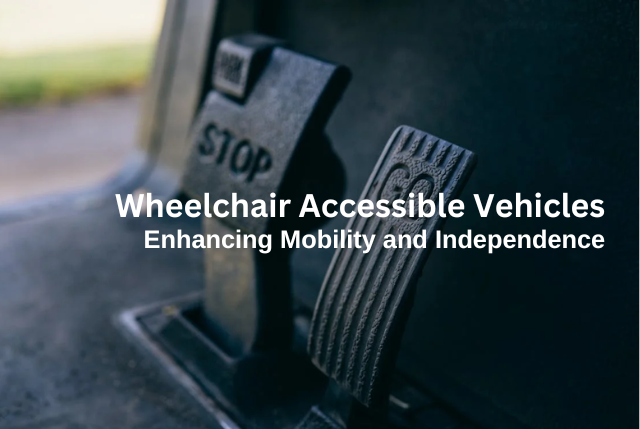
Wheelchair accessible vehicles (WAVs) are specially modified automobiles designed to accommodate wheelchair users, granting them greater mobility and independence. These vehicles feature adaptations such as lowered floors, ramps or lifts, and secure wheelchair restraint systems, enabling individuals with mobility challenges to travel comfortably and safely.
Key Features of Wheelchair-Accessible Vehicles
The entry systems of WAVs are designed for ease of use and accessibility. Ramps, which can be manual or power-operated, offer a straightforward path into the vehicle. Lifts, available as hydraulic or electric platforms, provide an effortless means of entry for those with limited upper body strength. Furthermore, lowered floors create increased headroom and easier maneuverability inside the vehicle.
Interior modifications enhance the comfort and functionality of WAVs. Removable seats allow for flexible seating arrangements to accommodate both wheelchair users and other passengers. Wheelchair restraints are crucial for ensuring safety during transit, securely holding the wheelchair in place. Adapted controls, such as hand controls for accelerating and braking, enable individuals with limited mobility to operate the vehicle independently.
Safety enhancements are paramount in WAVs. A reinforced frame maintains structural integrity, providing added protection in the event of a collision. Advanced restraint systems securely hold wheelchairs in place during travel, minimising the risk of injury. Additionally, emergency exit options ensure quick evacuation in case of emergencies.
Benefits of Wheelchair Accessible Vehicles
Wheelchair-accessible vehicles offer a multitude of benefits, primarily independence. They empower users to travel without relying on others for transportation. Comfort is also significantly enhanced through customised features designed to provide a smoother and more enjoyable ride. WAVs exhibit versatility by accommodating various wheelchair types and sizes, ensuring a suitable fit for individual needs. They also foster family-friendly travel, enabling group outings and shared experiences.
Ultimately, WAVs contribute to an increased quality of life by facilitating participation in social activities, employment, and other essential aspects of daily living.
Choosing the Right WAV
Selecting the appropriate wheelchair-accessible vehicle requires careful consideration. The vehicle's size and capacity should align with the user's needs and preferences. The type of wheelchair, whether manual or powered, will influence the choice of entry system and interior layout. The frequency of use should also be factored in, as more frequent travel may necessitate more robust features. Budget constraints inevitably play a role in the decision-making process.
Finally, the local climate and terrain should be considered, as certain features may be more suitable for specific environments.
Maintenance and Care
Regular maintenance is crucial for ensuring the longevity and reliability of WAVs. Routine inspections of ramps or lifts should be conducted to identify potential issues early on. Lubrication of moving parts helps maintain smooth and efficient operation. Checking and replacing wheelchair restraints is essential for ongoing safety. Ensuring proper alignment and functioning of adapted controls is critical for independent and safe driving.
Legal Considerations
Navigating the legal landscape surrounding WAVs is important. Familiarising yourself with local regulations regarding parking privileges can significantly ease travel. Understanding vehicle registration requirements ensures compliance with legal standards. Insurance considerations for modified vehicles should be carefully evaluated to protect against unforeseen circumstances.
Future of Wheelchair Accessible Vehicles
Advancements in technology are poised to revolutionise the future of WAVs. AI-assisted driving features promise to enhance safety and convenience. Improved fuel efficiency and the emergence of electric options are contributing to a more sustainable future. Enhanced connectivity for emergency services can provide swift assistance in critical situations.
Wheelchair accessible vehicles (WAVs) are specially modified automobiles designed to accommodate wheelchair users, granting them greater mobility and independence. These vehicles feature adaptations such as lowered floors, ramps or lifts, and secure wheelchair restraint systems, enabling individuals with mobility challenges to travel comfortably and safely.
Key Features of Wheelchair-Accessible Vehicles
The entry systems of WAVs are designed for ease of use and accessibility. Ramps, which can be manual or power-operated, offer a straightforward path into the vehicle. Lifts, available as hydraulic or electric platforms, provide an effortless means of entry for those with limited upper body strength. Furthermore, lowered floors create increased headroom and easier maneuverability inside the vehicle.
Interior modifications enhance the comfort and functionality of WAVs. Removable seats allow for flexible seating arrangements to accommodate both wheelchair users and other passengers. Wheelchair restraints are crucial for ensuring safety during transit, securely holding the wheelchair in place. Adapted controls, such as hand controls for accelerating and braking, enable individuals with limited mobility to operate the vehicle independently.
Safety enhancements are paramount in WAVs. A reinforced frame maintains structural integrity, providing added protection in the event of a collision. Advanced restraint systems securely hold wheelchairs in place during travel, minimising the risk of injury. Additionally, emergency exit options ensure quick evacuation in case of emergencies.
Benefits of Wheelchair Accessible Vehicles
Wheelchair-accessible vehicles offer a multitude of benefits, primarily independence. They empower users to travel without relying on others for transportation. Comfort is also significantly enhanced through customised features designed to provide a smoother and more enjoyable ride. WAVs exhibit versatility by accommodating various wheelchair types and sizes, ensuring a suitable fit for individual needs. They also foster family-friendly travel, enabling group outings and shared experiences. Ultimately, WAVs contribute to an increased quality of life by facilitating participation in social activities, employment, and other essential aspects of daily living.
Choosing the Right WAV
Selecting the appropriate wheelchair-accessible vehicle requires careful consideration. The vehicle's size and capacity should align with the user's needs and preferences. The type of wheelchair, whether manual or powered, will influence the choice of entry system and interior layout. The frequency of use should also be factored in, as more frequent travel may necessitate more robust features. Budget constraints inevitably play a role in the decision-making process. Finally, the local climate and terrain should be considered, as certain features may be more suitable for specific environments.
We have spent time pulling together wheelchair-accessible information in towns & counties all over the UK for our WAV community. We recommend you stop by to learn more about these wheelchair-accessible locations:
Regular maintenance is crucial for ensuring the longevity and reliability of WAVs. Routine inspections of ramps or lifts should be conducted to identify potential issues early on. Lubrication of moving parts helps maintain smooth and efficient operation. Checking and replacing wheelchair restraints is essential for ongoing safety. Ensuring proper alignment and functioning of adapted controls is critical for independent and safe driving.
Legal Considerations
Navigating the legal landscape surrounding WAVs is important. Familiarising yourself with local regulations regarding parking privileges can significantly ease travel. Understanding vehicle registration requirements ensures compliance with legal standards. Insurance considerations for modified vehicles should be carefully evaluated to protect against unforeseen circumstances.
Future of Wheelchair Accessible Vehicles
Advancements in technology are poised to revolutionise the future of WAVs. AI-assisted driving features promise to enhance safety and convenience. Improved fuel efficiency and the emergence of electric options are contributing to a more sustainable future. Enhanced connectivity for emergency services can provide swift assistance in critical situations.
By providing comprehensive information about wheelchair accessible vehicles, businesses can improve their search engine rankings and better serve individuals seeking mobility solutions. Remember to regularly update content with the latest innovations and user testimonials to maintain relevance and authority in this important market segment.
We use cookies to ensure that we give you the best experience on our website and to improve the relevance of our
communications with you. If you continue without changing your settings, we'll assume that you are happy to
receive all cookies on our website. However, if you would like to, you can change your cookie
settings below or find detailed information by clicking Cookie Policy.
Google will use your personal data when you give consent on this site. More information is available on
Google's Business data responsibility site.
Your personal data may be used for ads personalisation and cookies/mobile ad identifiers may be used for
personalised and non-personalised advertising.
These cookies are necessary for the website to function and cannot be switched off in our systems. They are usually only set in response to actions made by you which amount to a request for services, such as setting your privacy preferences, logging in or filling in forms. You can set your browser to block or alert you about these cookies, but some parts of the site will not then work. These cookies do not store any personally identifiable information.
These cookies allow us to count visits and traffic sources so we can measure and improve the performance of our site. They help us to know which pages are the most and least popular and see how visitors move around the site. All information these cookies collect is aggregated and therefore anonymous. If you do not allow these cookies we will not know when you have visited our site, and will not be able to monitor its performance.
These cookies enable the website to provide enhanced functionality and personalisation. They may be set by us or by third party providers whose services we have added to our pages. If you do not allow these cookies then some or all of these services may not function properly.
These cookies may be set through our site by our advertising partners. They may be used by those companies to build a profile of your interests and show you relevant adverts on other sites. They do not store directly personal information, but are based on uniquely identifying your browser and internet device. If you do not allow these cookies, you will experience less targeted advertising.